Social Media Marketing for Retail Brands in Karachi: What Works in 2026
Social media marketing for retail brands in Karachi has moved far beyond posting product photos and hoping for likes. In 2026, Instagram, TikTok, and Facebook together drive a measurable share of retail foot traffic and online orders across the city — but only for brands running a deliberate strategy, not random posting. For shop owners on I.I. Chundrigar Road storefronts, Dolmen Mall kiosks, or home-grown online boutiques, social media is now a sales channel in its own right, not just a branding exercise.
This guide covers what’s actually working for Karachi retail brands right now, platform by platform, with the specific tactics separating accounts that convert from accounts that just accumulate followers.
Why Retail Brands in Karachi Need a Platform-Specific Strategy
Karachi’s retail audience splits sharply by platform and demographic. Instagram still dominates for fashion, beauty, and home decor brands targeting 18–35 year old urban shoppers. TikTok has exploded for impulse-buy categories — accessories, street food, novelty items — with viral reach that Instagram’s algorithm no longer offers as easily. Facebook, despite being considered “older,” remains surprisingly strong for family-oriented retail: furniture, appliances, and grocery, especially among Karachi’s 35+ demographic who still browse Facebook Marketplace daily.
Treating all three platforms identically — same content, same posting schedule, same tone — is the single most common mistake retail brands make, and it quietly caps growth on every channel at once.
Is Organic Social Media Enough, or Do You Need Paid Ads?
Organic reach alone rarely scales a retail brand past a certain point in Karachi’s crowded feed environment. Meta’s algorithm increasingly favors paid placement, and organic posts from business accounts now reach a shrinking fraction of followers without any ad spend behind them. The realistic 2026 approach blends:
- Consistent organic content for brand voice, trust, and community (3–5 posts/week).
- Small, consistent ad budgets boosting the best-performing organic posts rather than running blind cold-audience ads.
- Retargeting ads to website visitors and cart-abandoners, which typically deliver the highest return per rupee spent.
- Influencer and micro-influencer collaborations with Karachi-based creators whose audience overlaps the brand’s target customer.
Content That Converts vs. Content That Just Gets Likes
Vanity metrics — likes, follower counts — don’t pay the rent. The content formats actually driving sales for Karachi retail brands in 2026 share a few traits: they show the product in real use (not just on a mannequin or flat-lay), they include a visible price or clear “how to buy” instruction in the caption or on-screen text, and they’re published consistently rather than in bursts.
- Short-form video (Reels/TikTok) — unboxing, styling, or “day in the store” content outperforms static images for reach by a wide margin.
- User-generated content — reposted customer photos and testimonials build trust faster than brand-produced content alone.
- Behind-the-scenes — sourcing, craftsmanship, or staff stories humanize the brand and perform especially well for local, homegrown labels.
- Direct-response posts — clear CTAs (“DM to order,” “Link in bio,” “WhatsApp us”) convert dramatically better than purely aesthetic posts with no call to action.
How a Karachi Retail Brand Should Structure Its Social Media Funnel
Awareness content (reels, trends) should funnel into consideration content (product demos, comparisons, reviews) which funnels into conversion content (offers, limited stock, direct order links). Most Karachi retail accounts only post the awareness layer and wonder why followers don’t convert — the middle and bottom of the funnel are where the sales actually happen.
| Funnel Stage | Content Format | Platform Fit | Goal |
|---|---|---|---|
| Awareness | Trend-based Reels/TikToks | Instagram, TikTok | Reach new audiences |
| Consideration | Product demos, UGC, reviews | Instagram, Facebook | Build trust |
| Conversion | Offer posts, stock alerts, DMs | WhatsApp, Instagram, Facebook | Drive sales |
| Retention | Loyalty posts, restock updates | Email/SMS, WhatsApp broadcast | Repeat purchase |
Building and running this kind of layered funnel consistently is exactly the work a Best Marketing Agency Karachi typically manages for retail clients — content calendars, ad budgets, and influencer outreach running in parallel rather than any one piece in isolation.
Measuring What Actually Matters
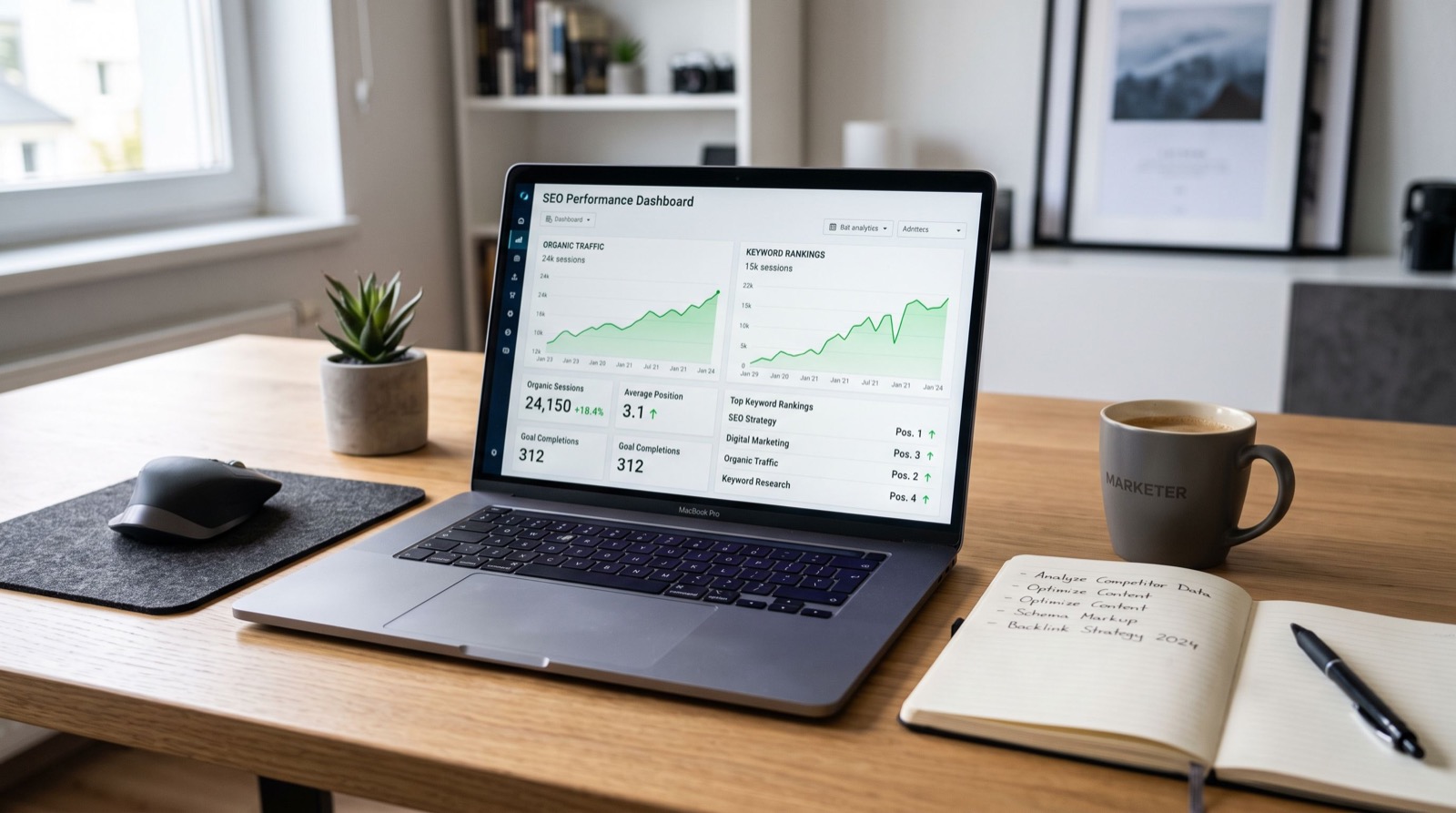
Followers and likes are vanity metrics unless tied to revenue. The metrics that matter for a Karachi retail brand’s social media in 2026 are click-through rate to the store or WhatsApp, conversion rate on landing pages linked from bio, cost per acquisition on paid campaigns, and repeat-purchase rate among social-acquired customers. According to the U.S. Federal Trade Commission’s guidance on influencer disclosures, transparency in paid partnerships also protects brand trust long-term — a principle increasingly relevant as Karachi influencer marketing matures and audiences grow more skeptical of undisclosed sponsorships.
When researching logistics-adjacent partners for retail fulfillment content, brands often reference trusted professionals to make sure orders generated through social campaigns actually arrive reliably — a detail that affects repeat-purchase social proof just as much as the marketing itself.
In-House, Freelancer, or Agency: Who Should Run a Retail Brand’s Social Media?
This is one of the most common questions retail owners ask once sales start depending on social channels rather than just foot traffic. An in-house junior social media hire is usually the cheapest option on paper, but most retail owners underestimate how much strategy, ad management, analytics, and content production actually needs to happen behind a single polished post. A single generalist hire can rarely do all of it well at once.
Freelancers work well for brands needing only content creation — photography, editing, caption writing — but most freelancers don’t manage paid ad strategy or influencer negotiations as part of their scope. For retail brands running paid campaigns, influencer partnerships, and organic content simultaneously, a full Marketing Agency Karachi team typically delivers more consistent results, since the strategy, creative, and ad-spend optimization are handled together instead of being split across disconnected freelancers who rarely coordinate with one another.
The right choice usually comes down to order volume and ad budget: a brand doing a handful of orders a week from organic posts alone can manage with a part-time freelancer, while a brand running daily paid campaigns across two or three platforms generally outgrows that setup within a few months and needs dedicated account management to keep performance from slipping.
Frequently Asked Questions
Which social media platform is best for a new retail brand in Karachi?
It depends on the product category: Instagram for fashion and beauty, TikTok for impulse and novelty items, Facebook for home and family categories. Most brands eventually need a presence on at least two of the three.
How much should a small Karachi retail brand spend on social ads?
Many brands start effectively with as little as PKR 15,000–30,000 per month on retargeting and boosted posts, scaling spend only once a campaign shows a positive return on ad spend.
Do influencer collaborations really work for smaller retail brands?
Yes, particularly micro-influencers (10,000–50,000 followers) in Karachi, who typically deliver higher engagement rates and more affordable rates than celebrity-tier accounts.
How often should a retail brand post on Instagram in 2026?
Consistency matters more than raw volume — 4–6 quality posts a week, mixing Reels and static content, tends to outperform daily low-effort posting.
Final Thoughts
Social media marketing for Karachi retail brands in 2026 rewards platform-specific strategy, a real content funnel, and disciplined measurement over vanity metrics. Brands treating social as a genuine sales channel — with clear CTAs, retargeting, and consistent influencer partnerships — are consistently outperforming competitors still posting without a plan.